Why plant native?
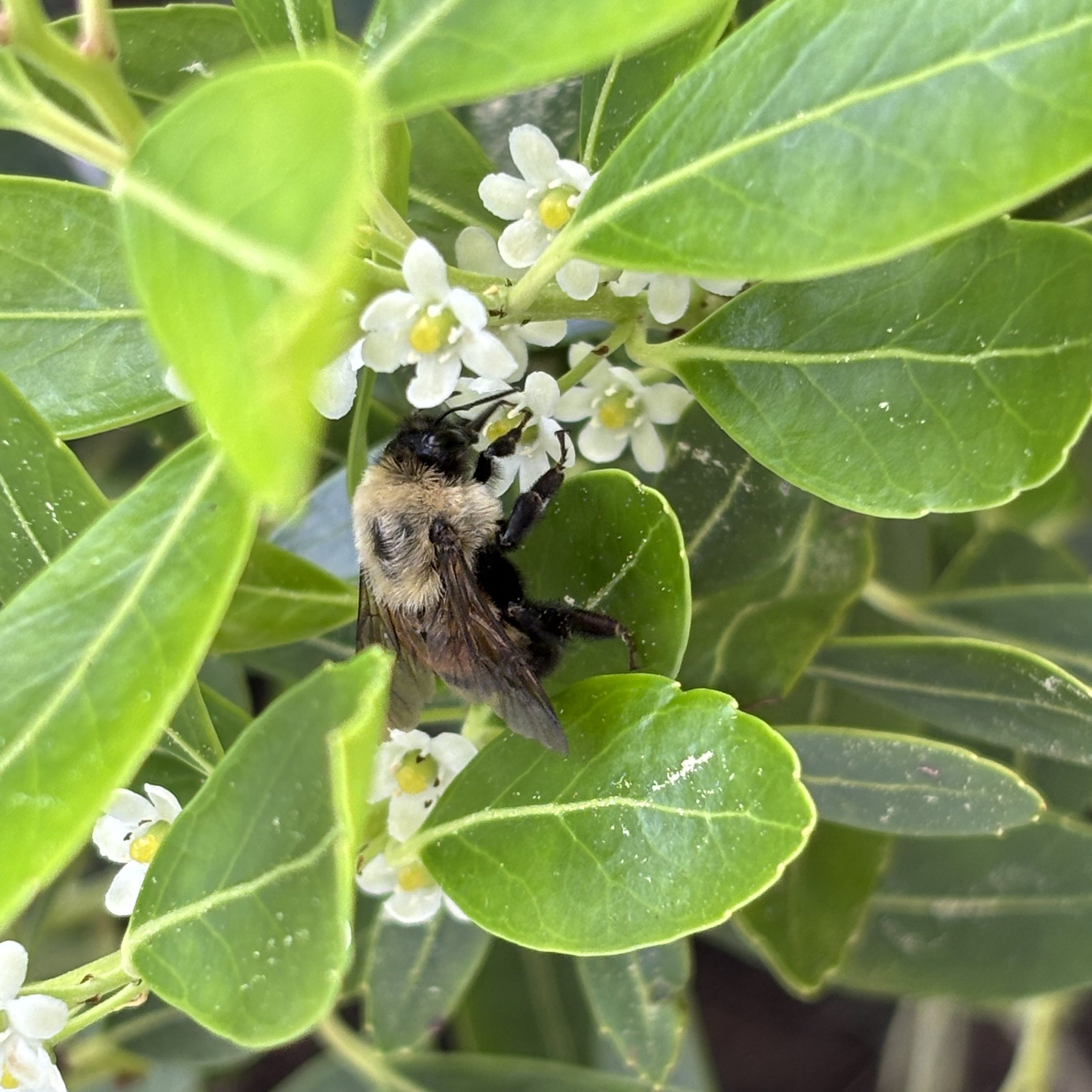
Across the country, native bees, butterflies, and birds are disappearing at an alarming rate. But there’s hope—right in our own backyards. By planting native plants—the very species our local pollinators evolved alongside—we can transform ordinary spaces into vital habitats and help restore balance to our ecosystems.
Take the monarch butterfly, for example. Once a familiar sight every summer, monarch populations have plummeted by 80–90% since the 1980s. Their survival depends on one specific plant: milkweed, the only host for monarch caterpillars. By planting milkweed and other native species, we can each play a part in their recovery.
Beyond supporting wildlife, native plants offer practical benefits, too. Adapted to local soils and climates, they require less water, fewer chemicals, and minimal upkeep once established. That means more time enjoying your garden—and less time maintaining it.

“…we humans have disrupted natural habitats in so many ways and in so many places that the future of our nation’s biodiversity is dim unless we start to share the places in which we live –our cities and, to an even greater extent, our suburbs — with the plants and animals that evolved there.”
-Douglas Tallamy
Flexible Approach
My passion lies in using native plants to create beautiful, functional spaces that support local ecosystems—but that doesn’t mean there’s only one “right” way to garden. Whether you’re ready to transform your entire yard into a native habitat or simply want to add a few pollinator-friendly plants to your existing landscape, I’m here to help.
While I prioritize native species for their ecological benefits, I understand that
personal taste matters, too. If there’s a non-native plant you love (as long as it’s not invasive), I’ll never discourage you from including it. I can also suggest native alternatives that may offer more benefits for pollinators and thrive even better in your garden.
My goal is to collaborate with you to create a space that’s both beautiful and beneficial—for you and the environment.
 Oakleaf Native Gardens